

background image for taxculate

What Are Total Gross Assets for Delaware Franchise Tax?

May 12, 2026
Hero image for What Are Total Gross Assets for Delaware Franchise Tax?

When calculating your Delaware Franchise Tax using the Assumed Par Value Capital Method, one of the most important figures you need is your company’s “Total Gross Assets.”

Many business owners are unsure what this term actually means. Does it refer to market value, book value, or only certain company assets? Fortunately, Delaware law gives a clear definition that directly connects this amount to your federal tax return.
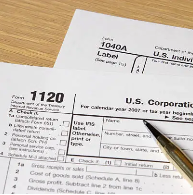
Where to Find Total Gross Assets for Delaware Franchise Tax

For Delaware Franchise Tax purposes, “Total Gross Assets” refers to the “Total Assets” amount listed on your U.S. Corporation Income Tax Return, Form 1120, Schedule L.

Schedule L is the balance sheet section of Form 1120. The number you need is the final “Total Assets” value reported at the end of the tax year, usually found on Line 15, Column (d).

Delaware’s Legal Definition Explained

Under Delaware General Corporation Law Title 8, Chapter 5, § 503(i), corporations must use the same total asset amount reported on Form 1120 Schedule L when filing their Delaware Franchise Tax report.

In simple terms, this means:

The Number Must Match Your Federal Return

The “Total Gross Assets” figure on your Delaware Franchise Tax filing should exactly match the “Total Assets” amount reported to the IRS on Schedule L of Form 1120.

Use the Previous Tax Year’s Assets

The Delaware Annual Report is due by March 1 each year. The asset amount used should come from the federal tax return for the previous tax year.

For example, if you file your Delaware Annual Report on March 1, 2026, you will use the “Total Assets” amount from your 2025 Form 1120 Schedule L.

Delaware May Request Verification

The Delaware Secretary of State may ask for a copy of your Schedule L to confirm the accuracy of the reported assets. Because of this, it is important to keep accurate records and ensure consistency between state and federal filings. For additional guidance, businesses can review the official IRS Form 1120 instructions and Delaware Franchise Tax resources to better understand reporting requirements and compliance obligations.

Rules for Consolidated Tax Returns

If your corporation files a consolidated federal tax return with other related entities, you cannot simply use the combined total assets amount.

Instead, you may need to provide consolidating balance sheets that clearly identify the assets belonging specifically to the Delaware corporation filing the report.

How to Find Total Gross Assets for Delaware Franchise Tax

Follow these steps to determine the correct amount:

  • Use that amount as your “Total Gross Assets” for Delaware Franchise Tax calculations.
  • Complete your corporation’s Form 1120 federal tax return.
  • Locate Schedule L within the return.
  • Find the “Total Assets” value at the end of the tax year.

Why Accurate Total Gross Assets Reporting Matters

Because Delaware Franchise Tax calculations rely directly on your federal tax return, accurate bookkeeping and tax preparation are essential. Any inconsistency between your federal and state filings can create compliance issues or lead to additional questions from the Delaware Secretary of State.

Businesses should ensure that their federal tax returns, balance sheets, and Delaware Franchise Tax filings all align correctly to avoid unnecessary penalties or delays. If you’re unsure which Delaware Franchise Tax calculation method to use, read our guide on How to Calculate Delaware Franchise Tax.


Loading comments...

Other Blogs

Trusted by freelancers, small businesses, and individuals across the US.

Delaware LLC Tax Deadline: Why June 1st is a Key Date

Delaware LLC Tax Deadline: Why June 1st is a Key Date

The Delaware Limited Liability Company (LLC) is a popular choice for entrepreneurs and small businesses, prized for its flexibility, strong liability protection, and simplicity. Alongside these benefits comes a straightforward but non-negotiable annual compliance task: paying the Delaware Franchise Tax. Understanding this flat-rate tax is crucial. Delaware LLC Tax Deadline is June 1st. It is essential for keeping your Delaware LLC in good standing. What is the Delaware LLC Franchise Tax? The Delaware LLC Franchise Tax is a flat annual fee that every LLC, Limited Partnership (LP), and General Partnership (GP) registered in Delaware must pay to the state. Delaware LLC Tax Deadline is mandatory and there are no exceptions Its key feature is its simplicity. Unlike the corporate franchise tax, which involves calculations based on authorized shares or company assets, the LLC tax is a single, flat amount for every single entity. The annual tax is a flat $300. This amount is the same whether your LLC is a multi-million dollar enterprise or a pre-revenue startup. There is no need to report income or assets; you simply pay the annual fee to maintain your company's good standing. Delaware LLC Tax Deadline: June 1st The deadline for this payment is the same every year: All Delaware LLCs, LPs, and GPs must pay their annual franchise tax by June 1st. This deadline applies to any LLC that was formed and active before the end of the previous calendar year. As you plan your compliance calendar for the year ahead, be sure to mark June 1, 2026, as a key date for this mandatory payment. Penalties for Missing the Delaware LLC Tax Deadline While the tax is simple, the consequences for missing the deadline are significant and automatic. A Simple Task with Serious Implications Paying your Delaware LLC Franchise Tax is a straightforward annual task, but it's one that cannot be overlooked. Forgetting this simple payment can lead to unnecessary penalties and jeopardize the legal status of your entire business. Taxculate At Taxculate, we manage the complete compliance calendar for our clients from complex federal IRS filings to crucial state deadlines like this one. We ensure every filing is made on time, so you can focus on running your business with the peace of mind that your company's foundation is secure.
Read More →
Wyoming Annual Filings: Complete Guide for LLCs and Corporations

Wyoming Annual Filings: Complete Guide for LLCs and Corporations

Many entrepreneurs choose to register your business in Wyoming because of the state’s strong privacy protections, low maintenance costs, and the major advantage of having no state corporate or personal income tax. Wyoming has become one of the most business-friendly states for online businesses, startups, holding companies, and international founders. However, while Wyoming does not require a state income tax return, business owners must still meet important annual compliance requirements. In addition to Wyoming’s annual report filing, companies must also handle their ongoing federal tax obligations with the IRS to remain compliant and avoid penalties. This guide explains the annual filing requirements for Wyoming LLCs and corporations, including annual reports, license taxes, federal filings, and sales tax responsibilities. Wyoming Annual Report Requirements Every Wyoming business entity, including LLCs and corporations, must file an Annual Report with the Wyoming Secretary of State. The purpose of the annual report is to confirm and update your company information, including: Filing the annual report keeps your business active and legally compliant in the state. Wyoming Annual Report Due Date Your Wyoming Annual Report is due every year on the first day of your company’s anniversary month. For example: Missing the deadline may result in penalties or loss of good standing status. Wyoming Annual License Tax Explained Along with the annual report, Wyoming businesses must pay an Annual License Tax. One of the biggest advantages of Wyoming is that this tax is not based on business income or profits. Instead, it is calculated using the value of assets physically located in Wyoming. For many businesses, especially: there are often no Wyoming-based assets. In that situation, businesses usually pay only the minimum annual license tax fee. The current minimum annual license tax is $60, making Wyoming one of the most affordable states for maintaining a business entity. Federal Tax Requirements Still Apply A common misconception is that forming a company in Wyoming eliminates all U.S. taxes. While Wyoming does not impose state income tax, federal tax obligations still apply to all U.S. business entities. Your filing requirements depend on your company structure and tax classification. Federal Filing Requirements for Wyoming C-Corporations Wyoming C-corporations must file: Corporations are required to pay federal income tax on worldwide business profits. Federal Filing Requirements for Wyoming LLCs LLCs are generally treated as pass-through entities unless they elect corporate taxation. Single-Member LLCs Single-member LLC owners typically report business income and expenses on: Multi-Member LLCs Multi-member LLCs must file: Each member receives a: Wyoming Tax Requirements for International Founders International founders with Wyoming companies may have additional IRS reporting obligations. Common filing requirements include: Failure to file these forms can result in significant IRS penalties, even if the company has no income. Wyoming Sales Tax Requirements If your business has sales tax nexus in Wyoming, you may need to collect and remit Wyoming sales tax. Nexus can be created through: Businesses selling taxable goods or services in Wyoming must register with the Wyoming Department of Revenue. Why Wyoming Remains a Top Choice for Business Formation Wyoming continues to attract entrepreneurs because it offers: For many founders, the predictable annual filing system and low compliance costs make Wyoming an excellent state for forming and maintaining a company. Stay Compliant With Wyoming and IRS Filing Requirements While Wyoming offers a simple and cost-effective state compliance system, federal tax compliance remains critical. Proper IRS filings help businesses avoid penalties and maintain legal and financial stability. At Taxculate, businesses receive support with IRS filings, federal tax compliance, and ongoing reporting requirements for Wyoming companies. This helps founders maximize the benefits of a Wyoming business entity while staying fully compliant with U.S. tax regulations.
Read More →
How to Register a Business LLC in Wyoming

How to Register a Business LLC in Wyoming

When entrepreneurs consider where to incorporate their new venture, Delaware has long been the default answer. However, a powerful alternative has firmly established itself as a top choice for savvy founders: Wyoming. Known for its robust privacy protections, zero state income tax, and business-friendly laws, Wyoming offers a compelling package for modern companies, especially LLCs. This guide will explore the key advantages of forming your business in Wyoming and outline the steps to get it done. The Wyoming Advantage: Why Register Your Business Here? Wyoming's appeal can be broken down into a few key benefits that directly address the needs of many entrepreneurs. Choosing Your Structure: The Wyoming LLC While you can form a corporation in Wyoming, the Limited Liability Company (LLC) is the structure that truly maximizes the state's benefits. The Wyoming LLC is the vehicle for the state's strongest privacy and asset protection laws, making it the overwhelming choice for online businesses, holding companies, and privately-owned ventures. The Steps to Register Your Wyoming Business The process for forming a business in Wyoming is clear and efficient. Step 1: Choose a Unique Business Name Your desired company name must be unique and not already in use. You can check for availability using the Wyoming Secretary of State's online business search. The name must also contain the proper designator, such as "LLC" for a Limited Liability Company or "Inc." for a corporation. Step 2: Appoint a Wyoming Registered Agent Every Wyoming company must have a registered agent with a physical address in the state. The registered agent is responsible for receiving official legal and state documents on your business's behalf. For founders living outside of Wyoming, using a commercial registered agent service is standard practice. Step 3: File Formation Documents To officially create your company, you must file formation documents with the Wyoming Secretary of State. This can be done easily online through the state's website. Step 4: Fulfill Post-Formation Tasks Once your formation is approved by the state, you must complete several crucial next steps: Ongoing Compliance: The Annual Report To keep your company in good standing, you must file an Annual Report with the Secretary of State each year. This report is due on the first day of your company's anniversary month of formation. The filing confirms your company's details and is accompanied by the annual license tax, which is calculated based on your company's assets located in Wyoming. Taxculate Forming your business in Wyoming provides a powerful and private foundation. Once established, the next chapter involves navigating federal and state tax compliance. At Taxculate, we specialize in managing the tax and filing requirements for new companies, ensuring your venture stays compliant from day one.
Read More →